
MW Derma Systems
The MW Dermal Regeneration System is a structured framework for understanding and applying regenerative aesthetics across biological, technical, and clinical levels.
Foundations of Skin Biology
The Biology of Skin Regeneration
Regeneration is not a single process, but the result of coordinated biological interactions.
This overview explains how cellular activity, structural integrity, and signalling processes interact to define regenerative capacity.
Core Biological Systems
- Fibroblasts
- Extracellular Matrix (ECM)
- Cellular Communication
- Inflammation & Healing
Key Biological Processes
- Collagen Synthesis
- Angiogenesis
- Wound Healing
- Matrix Remodeling
Regenerative Aesthetics
Regenerative Modalities
These modalities target different aspects of the regenerative process.
- Platelet-Rich Plasma (PRP)
- Exosomes
- Polynucleotides
- Growth Factors
Regenerative Aesthetics: Principles & Strategies
Regenerative aesthetics is defined by how biological processes are understood and applied within a structured system.
This article outlines the foundation for developing and applying regenerative strategies.
Techniques & Treatments
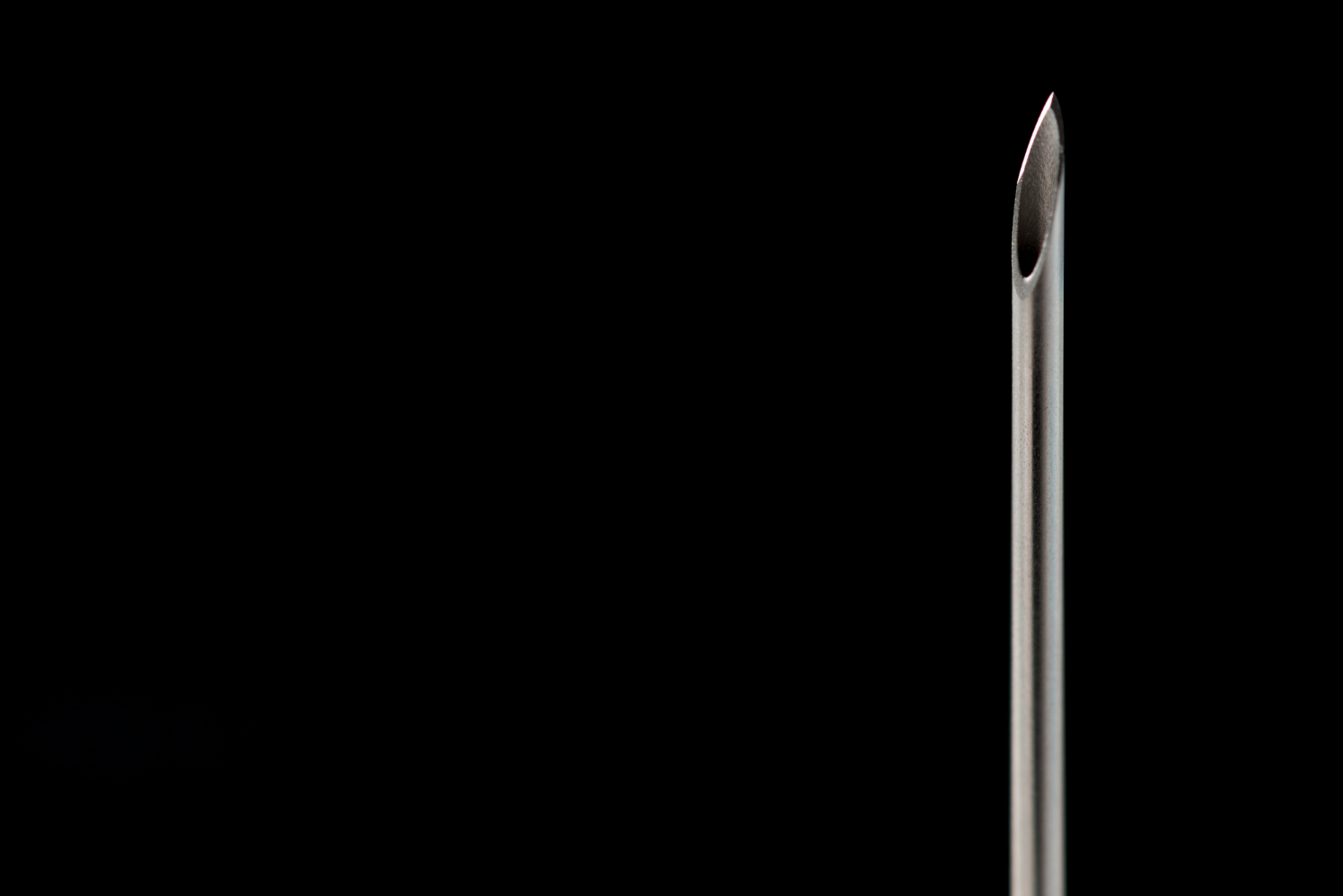
Treatment Techniques: Mechanisms & Use
Techniques influence biological processes in different ways.
Their effectiveness depends on how they are selected, combined, and applied within a structured treatment strategy.
Core Treatment Techniques
- Microneedling
- Chemical Peels
- Laser Therapy
- Mesotherapy
- Additional Techniques
Clinical Protocols
Core Clinical Protocols
- Skin Regeneration
- Barrier Repair & Recovery
- Acne & Inflammation
- Pigmentation
- Hair Restoration
Clinical Protocols: Structure & Sequencing
Clinical outcomes depend on how treatments are structured, not just which techniques are used.
Protocols define sequencing, combination, and adaptation based on skin condition and treatment goals.

Skin Conditions & Clinical Indications
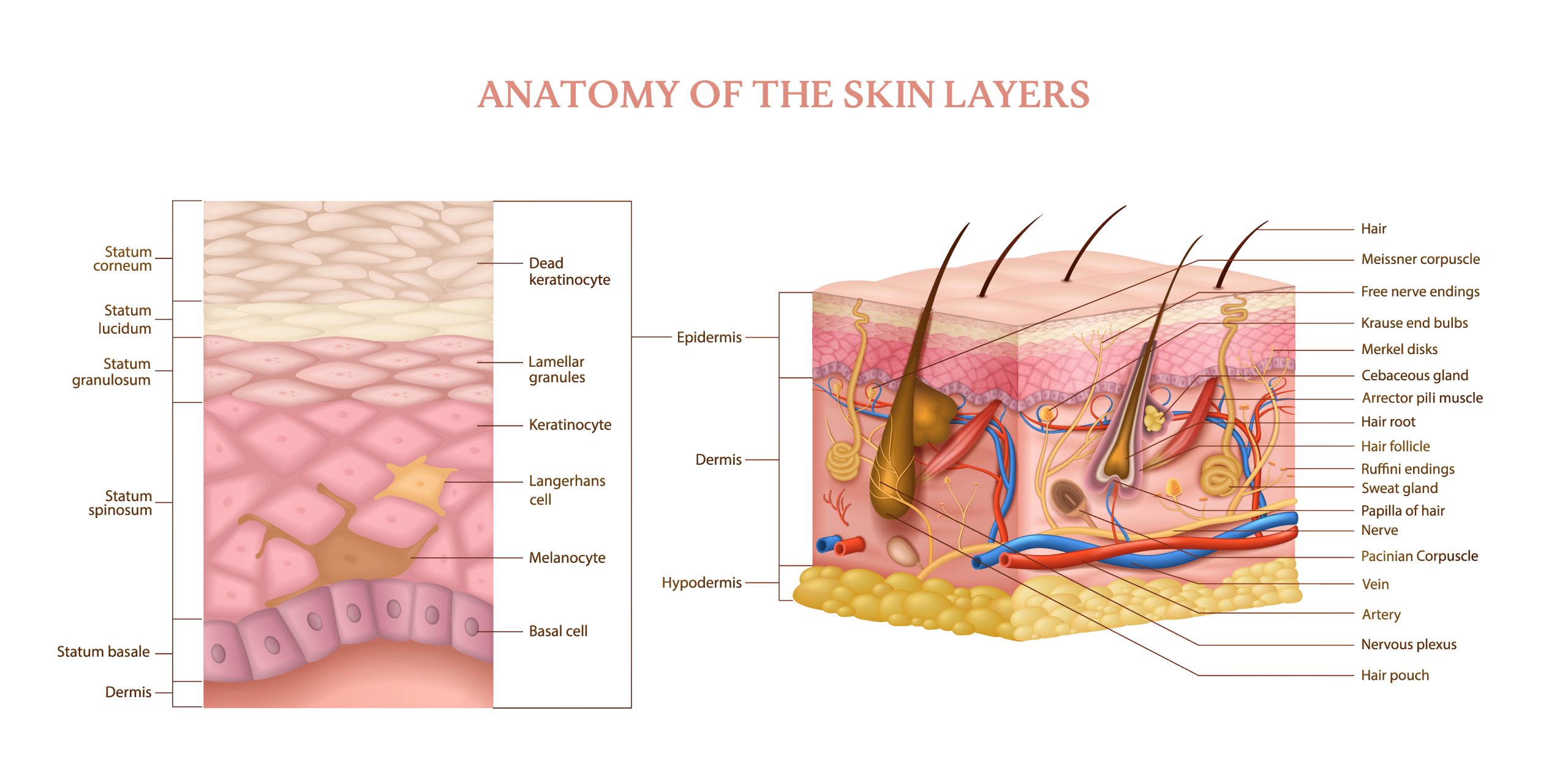
Clinical conditions define treatment strategy and protocol selection.
Understanding the underlying indication is essential for selecting appropriate regenerative and structural approaches.
- Aging & Loss of Elasticity
- Acne & Inflammation
- Pigmentation
- Scarring
Structural Treatments
Structural treatments modify volume, contour, and tissue support when regenerative approaches alone are not sufficient.
Their use requires careful assessment of tissue quality, facial structure, and long-term treatment strategy.
- Dermal Fillers
- Biostimulators
- Contouring Approaches
- Combination Treatments
Product & Ingredient Insights
Understanding how active ingredients influence biological processes is essential for evaluating treatment outcomes.
Their role must be considered within the context of tissue condition, formulation, and interaction with other therapeutic approaches.
- Hyaluronic Acid
- Vitamin C
- Peptides
- Growth Factors
Clinical Guidance & Skin Management
Practical considerations play a critical role in treatment outcomes and long-term skin health.
Factors such as preparation, aftercare, and environmental exposure influence how the skin responds to both regenerative and structural interventions.
- Post-Treatment Care
- Sun Protection
- Seasonal Skin Considerations
- Daily Skin Care
Emerging Topics & Research
Ongoing research and emerging treatment approaches continue to refine our understanding of skin biology and aesthetic interventions.
New developments must be evaluated within a structured framework to determine their clinical relevance and long-term value.
- Advanced Biostimulation
- Cell-based therapies
- Regenerative signaling pathways
- Personalized treatment strategies
INFLAMMATION & HEALING
Inflammation is a controlled biological response that initiates tissue repair and regeneration.
In its acute form, it activates immune pathways, removes damaged tissue, and triggers regenerative processes.
However, when inflammation becomes chronic or dysregulated, it leads to continuous tissue degradation, extracellular matrix breakdown, and impaired cellular function.
This imbalance reduces the skin’s ability to regenerate and respond effectively to treatment.
Successful regenerative strategies therefore depend on supporting controlled inflammation while preventing persistent low-grade inflammatory activity.
→ View Glossary Entry
CELLULAR COMMUNICATION
Cellular communication is the regulatory system that coordinates how cells respond to internal and external signals.
This communication occurs through signalling molecules such as growth factors, cytokines, and extracellular vesicles, including exosomes.
These signals control key processes such as inflammation, tissue repair, and regeneration. The timing, intensity, and balance of these signals determine how effectively cells respond to therapeutic interventions.
Disruptions in cellular communication — due to ageing, inflammation, or environmental stress — lead to uncoordinated responses and reduced regenerative efficiency.
As a result, even when structural components and functional cells are present, impaired signalling can limit meaningful regeneration.
→ View Glossary Entry
EXTRACELLULAR MATRIX (ECM)
The extracellular matrix (ECM) is a dynamic structural and biochemical network that regulates cellular behaviour and tissue function.
It is composed primarily of collagen fibres (types I and III), elastin, and glycosaminoglycans such as hyaluronic acid, which together provide mechanical stability, hydration, and structural organization.
Beyond its structural role, the ECM functions as a signalling interface, influencing fibroblast activity, cell migration, differentiation, and tissue repair.
The integrity and organization of the ECM determine how effectively cells can respond to regenerative stimuli. A well-structured matrix supports coordinated repair, while a degraded ECM reduces cellular responsiveness and disrupts signalling pathways.
→ View Glossary Entry
Fibroblasts
Fibroblasts are the primary functional cells of the dermis, responsible for synthesizing collagen (primarily types I and III), elastin, and key extracellular matrix components.
They regulate tissue structure, mechanical strength, and elasticity, and play a central role in wound healing and long-term tissue remodelling.
Fibroblast activity is influenced by signals from the extracellular matrix, growth factors, and inflammatory mediators. Their ability to respond to these signals determines the skin’s regenerative capacity.
With ageing or chronic inflammation, fibroblast function declines, leading to reduced collagen production and impaired tissue repair.
Effective regenerative strategies therefore depend not only on fibroblast stimulation, but on restoring the surrounding biological environment that enables proper cellular function.
→ View Glossary Entry
Inflammation & Healing
Inflammation is a controlled biological response required for tissue repair and regeneration.
Balanced inflammation supports healing, while chronic inflammation leads to tissue degradation and impaired regenerative capacity.
→ More about inflammation & healing
Cellular Communication
Cellular communication refers to the signaling processes that coordinate cell behavior through growth factors, cytokines, and extracellular vesicles.
These signals determine how cells respond to stress, injury, and therapeutic interventions.
→ More about cellular communication
Extracellular Matrix (ECM)
The extracellular matrix (ECM) is a dynamic structural network that provides mechanical support and regulates cellular behavior.
It influences hydration, elasticity, and how cells respond to mechanical and biochemical signals.
→ More about extracellular matrix (ecm)
Fibroblasts
Primary dermal cells producing collagen, elastin, and essential structural components of the skin.
They drive tissue repair, regeneration, and overall skin quality.
→ More about fibroblasts